

For a long time, mobile apps have worked on a simple idea: users act first, and apps respond second. You tap a button, the app opens a screen. You search for something, the app shows results. This reactive approach has shaped most digital experiences we use today. It works—but it is no longer enough.
Modern users live fast, make decisions quickly, and expect technology to keep up. They do not want to explain themselves repeatedly or navigate the same steps every day. They want apps that understand them, reduce effort, and help before problems appear. This shift has led to a new way of thinking about app design: anticipation instead of reaction.
Designing apps that anticipate users means building experiences that learn from behavior, context, and patterns. These apps do not wait for instructions. They quietly prepare, suggest, and adjust. The result feels less like using software and more like having a helpful assistant that understands daily habits.
To make this possible, many businesses are investing in AI Development Services to move intelligence into the core of app design. Instead of layering “smart features” on top of old systems, they are rethinking how apps behave from the ground up—starting with user intent rather than user actions.
Reactive Apps vs. Anticipatory Apps
Reactive apps are familiar. They wait for input and then respond. This approach puts the effort on users. Every decision, every step, and every correction depends on them.

Anticipatory apps work differently. They observe how users behave over time and use that understanding to guide experiences. They prepare screens before users ask for them. They surface useful actions at the right moment. They reduce the number of choices users need to make.
The difference may seem small at first, but over time it changes how people feel about an app. Reactive apps feel functional. Anticipatory apps feel thoughtful.
Why Anticipation Matters in Today’s Digital World
People use dozens of apps every day. Attention is limited, and patience is even more limited. When an app asks users to repeat the same steps or decisions, frustration grows quickly.
Anticipatory design matters because it:
- Reduces mental effort
- Saves time in everyday tasks
- Makes experiences feel personal
- Builds trust through consistency
When apps anticipate needs, users do not need to think as much. They simply act—or sometimes, they do not need to act at all.
Understanding Users Beyond Clicks
True anticipation starts with understanding users deeply. This goes beyond tracking clicks or screen views. It means recognizing patterns over time.
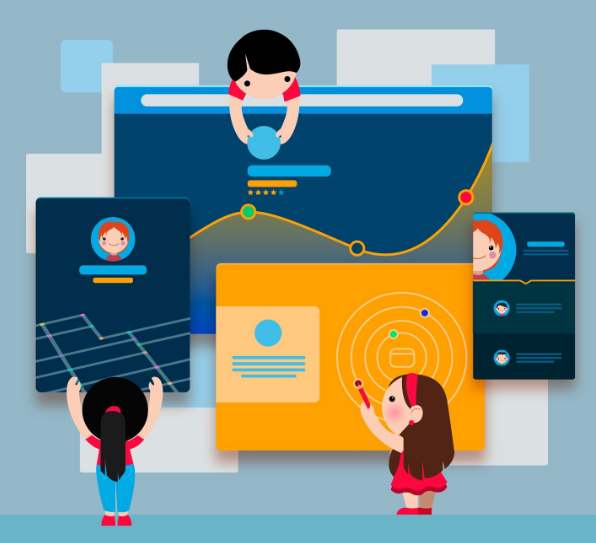
For example, an app might notice when a user usually checks it, what features they use most, and which options they ignore. It might learn how behavior changes during weekdays versus weekends. Over time, these patterns create a clear picture of intent.
The key is not to guess randomly, but to learn patiently. Good anticipatory apps improve gradually, becoming more accurate the longer they are used.
Context Is as Important as Behavior
Anticipating users is not only about past actions. Context plays a major role. Time of day, location, device state, and even movement can change what users need.
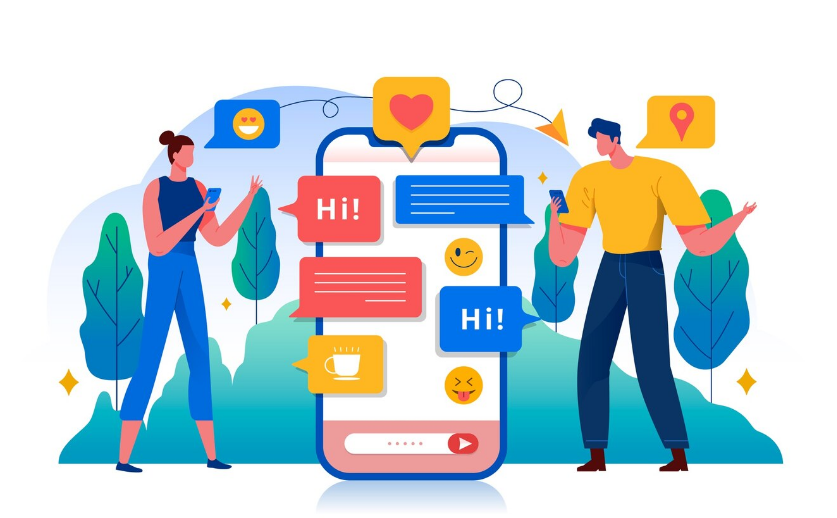
An app that understands context can behave differently in the morning than at night. It can prioritize speed during busy hours and offer deeper options when users have more time.
Context-aware design allows apps to feel flexible instead of rigid. They adjust naturally, just like people do.
Designing for Fewer Decisions
One of the biggest benefits of anticipation is fewer decisions for users. Modern life already demands constant choice. Apps that reduce this burden feel easier to use.
Anticipatory apps help by:
- Pre-selecting likely options
- Highlighting next steps clearly
- Hiding features that are not relevant
- Remembering preferences automatically
This does not remove control. Users can still change choices. But they do not have to start from zero every time.
Anticipation Without Being Intrusive
One common fear is that anticipation might feel invasive. Poorly designed systems can cross boundaries and make users uncomfortable.
Good anticipatory design is subtle. It offers help, not pressure. It suggests, not forces. The user always feels in control.
Trust is built when apps explain themselves clearly and allow easy adjustments. Transparency matters just as much as intelligence.
The Role of Data and Learning
Anticipatory apps rely on learning, but learning must be responsible. Data should be collected carefully, used ethically, and protected strongly.
The goal is not to know everything about users. The goal is to know enough to improve their experience.
Learning systems work best when they focus on patterns, not personal details. This keeps experiences useful without feeling invasive.
Anticipatory Design in Everyday Scenarios
Anticipatory design already appears in many areas of daily life, even if users do not notice it.
For example:
- A productivity app that highlights today’s most important task automatically
- A travel app that surfaces booking details before a trip
- A shopping app that reorders frequently purchased items
- A health app that adjusts reminders based on activity levels
These experiences feel smooth because they remove friction before it appears.
Designing Interfaces That Feel One Step Ahead
Anticipatory apps also require careful interface design. If the interface is cluttered or confusing, anticipation fails.
Design should guide attention naturally. Important actions should appear when needed, not all at once. Visual hierarchy matters more than visual flair.
In the middle of creating such adaptive and intuitive experiences, many teams work with an experienced iphone app development company to ensure that interfaces remain smooth, fast, and consistent while supporting intelligent behavior. When design and anticipation work together, users feel supported instead of overwhelmed.
Performance Is Part of Anticipation
Anticipation is not only about features. It is also about performance. Apps that anticipate users often prepare resources in advance.
They may load screens before users tap. They may cache data based on likely next actions. This makes experiences feel instant.
When apps feel fast, users trust them more—even if they never notice why they are fast.
Balancing Automation and Human Judgment
Anticipatory apps should not replace human decision-making. They should support it.
Good design respects moments when users want full control. It allows easy overrides and manual choices. Anticipation should feel like a suggestion from a helpful friend, not an instruction from a machine.
This balance is critical. Too little anticipation feels slow. Too much feels controlling.
Testing Anticipatory Experiences in the Real World
Designing anticipation is complex. What works in theory may not work in real life. Testing with real users is essential.
Teams must observe how people react, not just what they say. Are users confused or relieved? Do they trust suggestions or ignore them? Do they feel faster or frustrated?
Anticipatory design improves through feedback and iteration. It is never perfect at launch.
Accessibility and Inclusive Anticipation
Anticipation should work for everyone, not just tech-savvy users. Inclusive design ensures that anticipatory features do not confuse or exclude.
Clear language, predictable behavior, and simple explanations help users of all backgrounds feel comfortable. Anticipation should make apps easier, not more complex.
Accessibility is a sign of thoughtful design, not a limitation.
Long-Term Value of Anticipatory Apps
Apps that anticipate users tend to have higher engagement and loyalty. Users return because the app feels useful every time, not just occasionally.
Over time, these apps become part of daily routines. They feel dependable and familiar. This long-term value is difficult to achieve with purely reactive systems.
Businesses benefit as well. Anticipatory apps reduce churn, improve satisfaction, and adapt more easily to changing user needs.
Preparing Apps for an Uncertain Future
Technology, markets, and user habits change constantly. Anticipatory design makes apps more flexible.

Instead of rebuilding systems repeatedly, teams can refine learning models and design flows. Apps evolve instead of restarting.
This adaptability is one of the strongest reasons anticipation is becoming a core design principle.
Ethical Design Is Non-Negotiable
As apps become more proactive, ethical responsibility increases. Users must know what the app is doing and why.
Clear permissions, honest explanations, and easy opt-outs are essential. Ethical anticipation builds trust, while hidden behavior destroys it.
The most successful apps in the future will be those that combine intelligence with integrity.
Final Thoughts: Designing for the Next Moment
Designing apps that anticipate users instead of reacting to them is about respect. It respects time, attention, and human limits. It recognizes that users should not have to work hard to use technology.
As more products move in this direction, choosing the right development mindset becomes critical. Working with a thoughtful Mobile App Development Company helps ensure that anticipation is built responsibly, supported by strong design, and aligned with real human needs.
The best apps of the future will not wait for users to ask for help. They will be quietly ready—one step ahead, every time.
Frequently Asked Questions
1. What does it mean to design apps that anticipate users?
Ans: It means building apps that understand user behavior and context so they can suggest actions or prepare features before users ask for them.
2. How are anticipatory apps different from traditional apps?
Ans: Traditional apps wait for input. Anticipatory apps learn patterns and offer help at the right moment, reducing effort and saving time.
3. Do anticipatory apps remove user control?
Ans: No. Good anticipatory design supports users with suggestions while still allowing full control and easy overrides.
4. Why is anticipatory design important today?
Ans: People use many apps daily and have limited attention. Anticipatory design reduces decision fatigue and makes apps easier to use.
5. How do apps learn to anticipate user needs?
Ans: They analyze behavior patterns, timing, and context over time to understand what users usually need next.